
Shin Splints in Centreville, VA and serving Manassas & South Riding, VA
What Are Shin Splints?
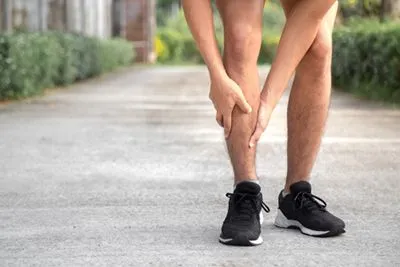
Shin splints are typically caused by repetitive stress on the lower legs. The condition is most common in runners, dancers, and athletes who run on hard surfaces or who abruptly increase their activity levels. Patients typically complain of pain as a dull ache along the front or inside of the shinbone. The pain may be more pronounced during or after exercise and can get worse if not treated.
Causes and Risk Factors
Shin splints can be caused by a variety of factors, including flat feet, improper shoes, training errors, or poor running technique. Individuals who suddenly alter the intensity or duration of their workouts are at greater risk, along with individuals who spend a lot of time on their feet without adequate support. Identifying the cause is one of the most important aspects of effective treatment and extended prevention.
Diagnosing Shin Splints
Dr. Hurst begins with a thorough evaluation to confirm the diagnosis and rule out other potential conditions, such as stress fractures or compartment syndrome, which share similar symptoms. A review of activity history and physical examination is generally sufficient, but imaging studies may be recommended in certain cases to diagnose.
Treatment and Recovery
Most cases of shin splints respond well to conservative treatment. Rest and modification of physical activity are important first steps, giving inflamed tissues time to heal. Ice therapy and anti-inflammatory measures may be recommended to reduce pain and swelling. Dr. Hurst may also suggest orthotics to correct biomechanical issues, footwear modifications to improve support, and stretching or strengthening exercises to restore balance in the lower legs. In persistent cases, physical therapy may be incorporated to accelerate recovery. With the right care, most patients can expect gradual improvement and a safe return to activity.
Preventing Future Shin Splints
Once the pain subsides, Dr. Hurst works with patients to develop strategies that reduce the risk of recurrence. This may include gradual increases in training intensity, choosing proper footwear, and incorporating warm-ups and cross-training into athletic routines. These preventive steps help patients stay active while protecting their lower legs from overuse injuries.